Engineering safer, more sustainable AI for all
March 9, 2026

Engineering AI for the Public Good
Maryland engineers are working to make the future of artificial intelligence (AI) safer, more sustainable—and an engine of opportunity for all.
Read feature storyMost of society is focused on what artificial Intelligence (AI) can achieve. At Maryland Engineering, we are equally focused on what infrastructure is required for AI to achieve that potential.
Convening the brightest minds
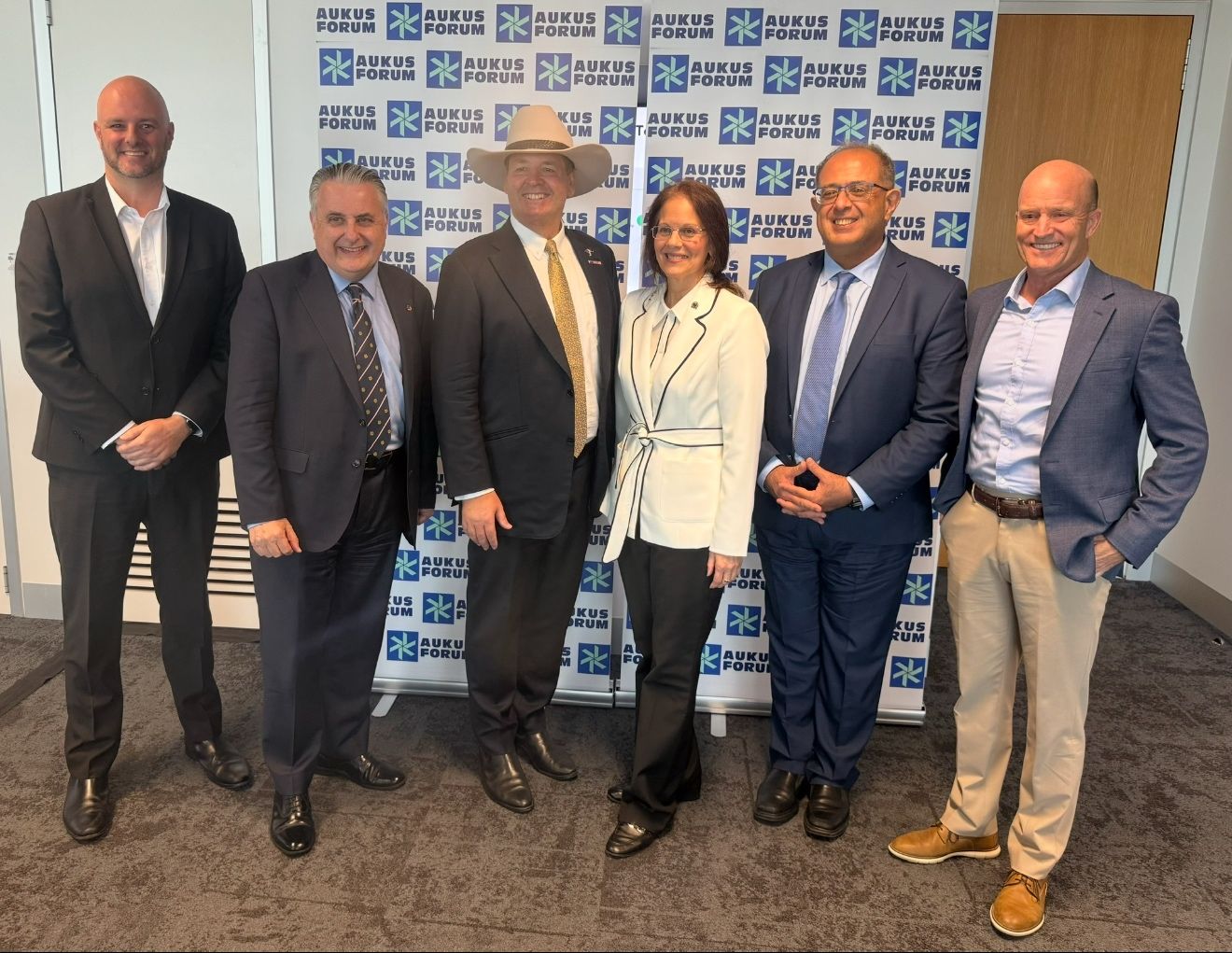
Today and tomorrow, our university is co-hosting with AMD a National Academy of Engineering (NAE) member-led event to discuss the development and innovations needed for AI infrastructure. Leaders from industry, academia, and government are gathering to discuss advancements needed in semiconductor architectures and edge AI systems; power, water, and other natural resource needs; as well as policy and regulation that impact AI’s domestic development.
We are incredibly grateful to the NAE, Canadian Academy of Engineering, and the National Science Foundation (NSF) for partnering with us, and to Sha Wang for supporting, along with the incredible group of speakers and panelists who are attending this event.
This gathering is a great example of the engineering mindset and leadership from the Clark School: bringing together the greatest minds to address the opportunities to develop a technology that is important to our nation, and the solution needed to address it.
Across Maryland Engineering, this is our mindset for AI—as well as for quantum systems, biotechnologies, materials, manufacturing, critical infrastructure, and more.
Boosting the economy and enhancing the public good
We believe AI is a strategic technology for the economic strength of our nation, but we also believe that it must be developed and introduced with a clear view of how it impacts people.
- How should we best design and employ AI to bring new solutions and capabilities that earn the public’s trust and are for the public good?
- How will the developments of AI impact the way we educate our students?
- How do we continue to define the role of the academy’s contribution to this rapidly developing technology which has more recently been dominated by industry?
We also believe the Clark School has a role to play in addressing these three questions. Our strategy has three areas, combining for a singular and comprehensive approach among public research universities.
Our most recent research feature—Engineering AI for the Public Good—explores our approach in detail and we encourage you to explore and share it.
Innovating in education
Our master’s of Engineering AI focuses on the application of AI methods to specific disciplines of engineering, allowing students to grow in both, and positing us to grow the nation’s AI workforce. In addition, we are in the process of developing an AI minor at the undergraduate level, as well as courses in industrial and physical AI.
We also realize that an important part of our role in the academy is to educate students in the fundamentals of science and engineering. We will keep our pledge to do this to the highest standards while judiciously introducing AI into the process of learning.
We also have a large number of opportunities for our students to utilize AI in the design and innovation process through our Vertically Integrated Project teams, experiential learning activities, and through entrepreneurship opportunities.
Creating engineering breakthroughs using AI
In Baltimore, we are applying AI to medical innovations and improving the patient experience and health outcomes.
- In College Park, we are using AI to develop autonomous technologies for search and rescue.
- In Crisfield, we are testing the delivery of medicines to the state’s rural communities using those autonomous technologies.
There are more examples from across our school:
- Ichiro Takeuchi utilizes AI to advance materials discovery for future engineering innovations.
- Our industrial AI program, led by Jay Lee, is helping industries like semiconductor and automotive manufacturing optimize their operations, and improve reliability, performance, and sustainability.
- Cinzia Cirillo is exploring how generative AI can improve transportation systems.
- Faculty from the Center of Advanced Life Cycle Engineering and our microelectronics initiative are working to develop solutions to new device architectures, hardware security, and packaging and reliability of AI hardware. Areas from heterogeneous integration, packaging, design tools, and thermal management are all being pursued to ensure the future of AI hardware will be ready to meet future demands.
- In the area of advanced manufacturing, Suresh Babu and colleagues are developing methods to use AI to improve 3D printing of metals while John Fisher in Bioengineering is utilizing it to improve 3D printing of engineered tissue for medical treatments.
Creating sustainable AI infrastructure
The future of AI will depend on how we design, build, and resource the next generation of data centers. The United States is not increasing power generation at a rate to meet AI’s demands; at the same time, up to half of data centers expected to come online in 2026 could be delayed, according to a new study.
Construction, grid equipment, and power supply constraints are areas where great engineering will literally make the difference.
In the Clark School, we are focused on developing sustainable cooling technologies to enable high power and efficient data center operations:
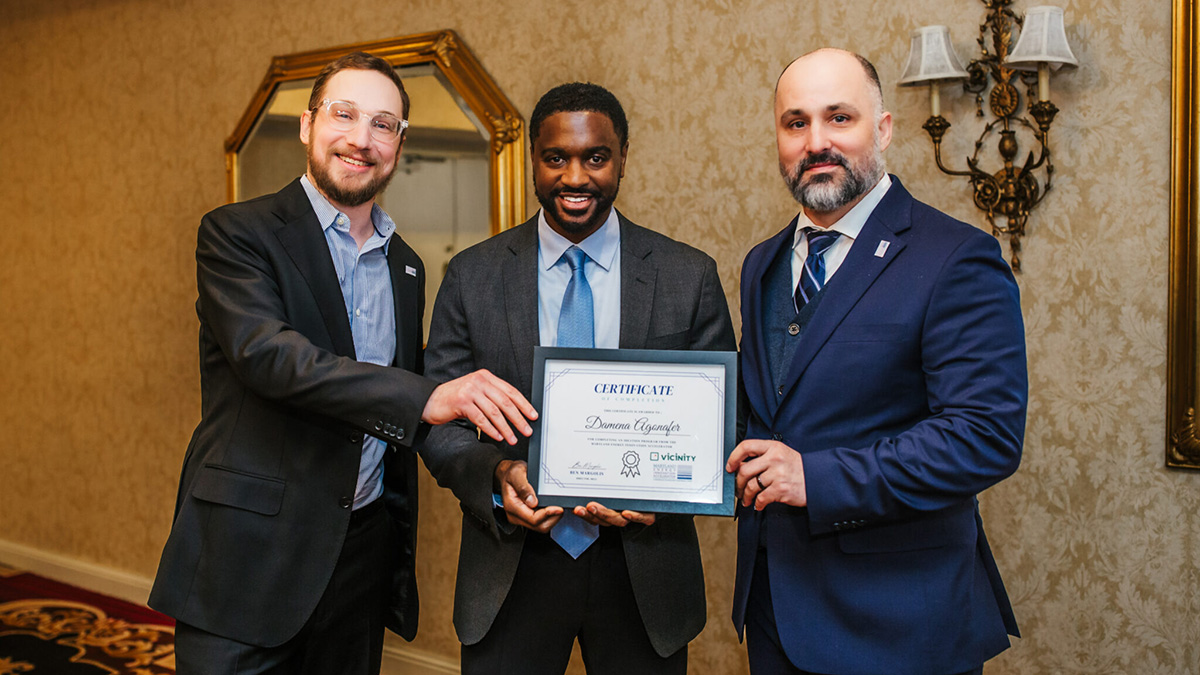
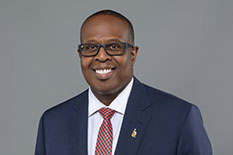
Damena Agonafer receives an award for his proposal for reducing the amount of heat produced by data centers.
- Damena Agonafer, site lead for NSF’s EARTH Engineering Research Center, recently won an award for his idea to decrease the heat generated by data centers.
- Nii Attoh-Okine and Birthe Kjellerup are leading conversations on how to design and build data centers that account for construction advances, and utilize appropriate energy and water resources for a sustainable future.
- We are also leading a national conversation on power generation, core to the work of Eric Wachsman and the Maryland Energy Innovation Institute.
Investing in new faculty to lead our future in AI
In February, our university announced five leading experts as its first cohort of core faculty of the Artificial Intelligence Interdisciplinary Institute at Maryland (AIM), UMD’s hub for AI collaboration across campus. One of those experts, Yu Gan, is a bioengineer. His inclusion in AIM’s inaugural cohort demonstrates the importance of engineers to AI’s future success: people and organizations will create AI tools to move society forward. Terp engineers will provide the infrastructure necessary to do it.